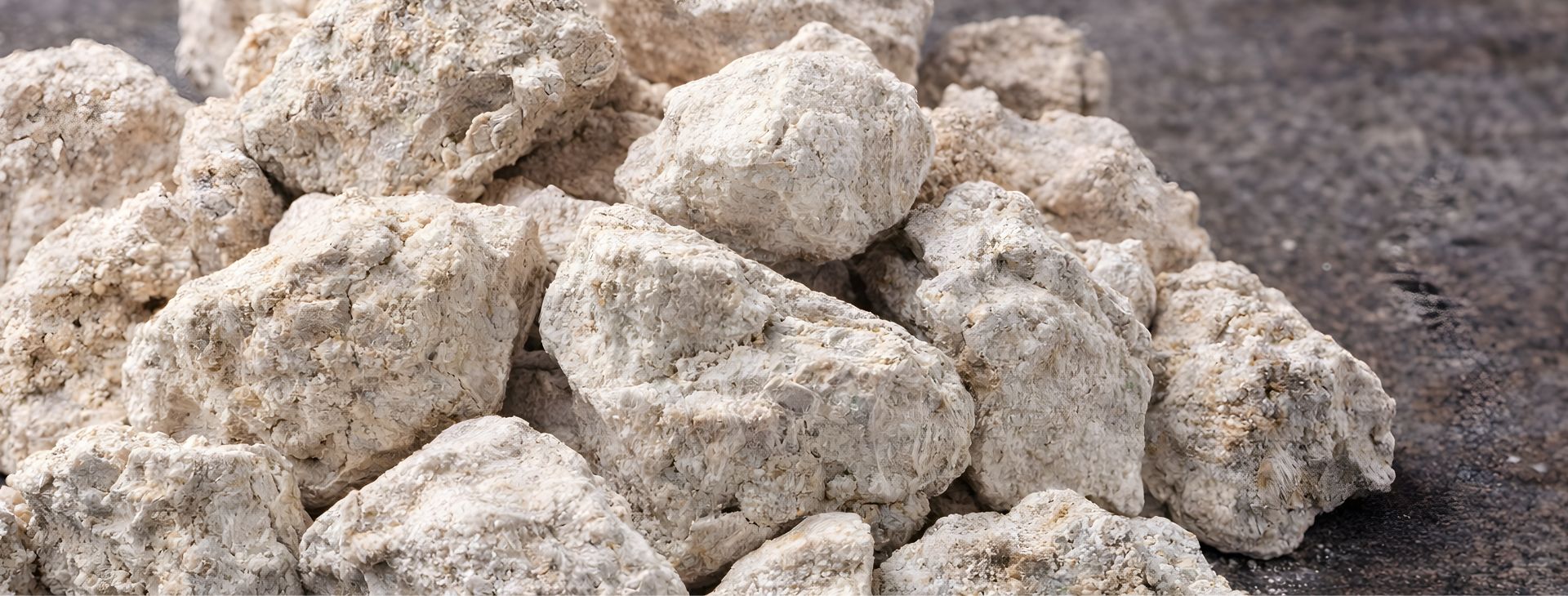
Ball clay is a fine-grained, highly plastic clay mineral valued for its ability to enhance workability in ceramic bodies. It primarily contains fine kaolinite particles, along with minor amounts of other clay minerals, mica, and quartz. This unique composition delivers exceptional plasticity and green strength, making ball clay essential in the manufacture of porcelain, sanitaryware, and tiles. Ball clay enhances both the formability and mechanical strength of unfired ceramic products and improves rheology in ceramic slips and engobes for uniform drying and reliable fired performance.
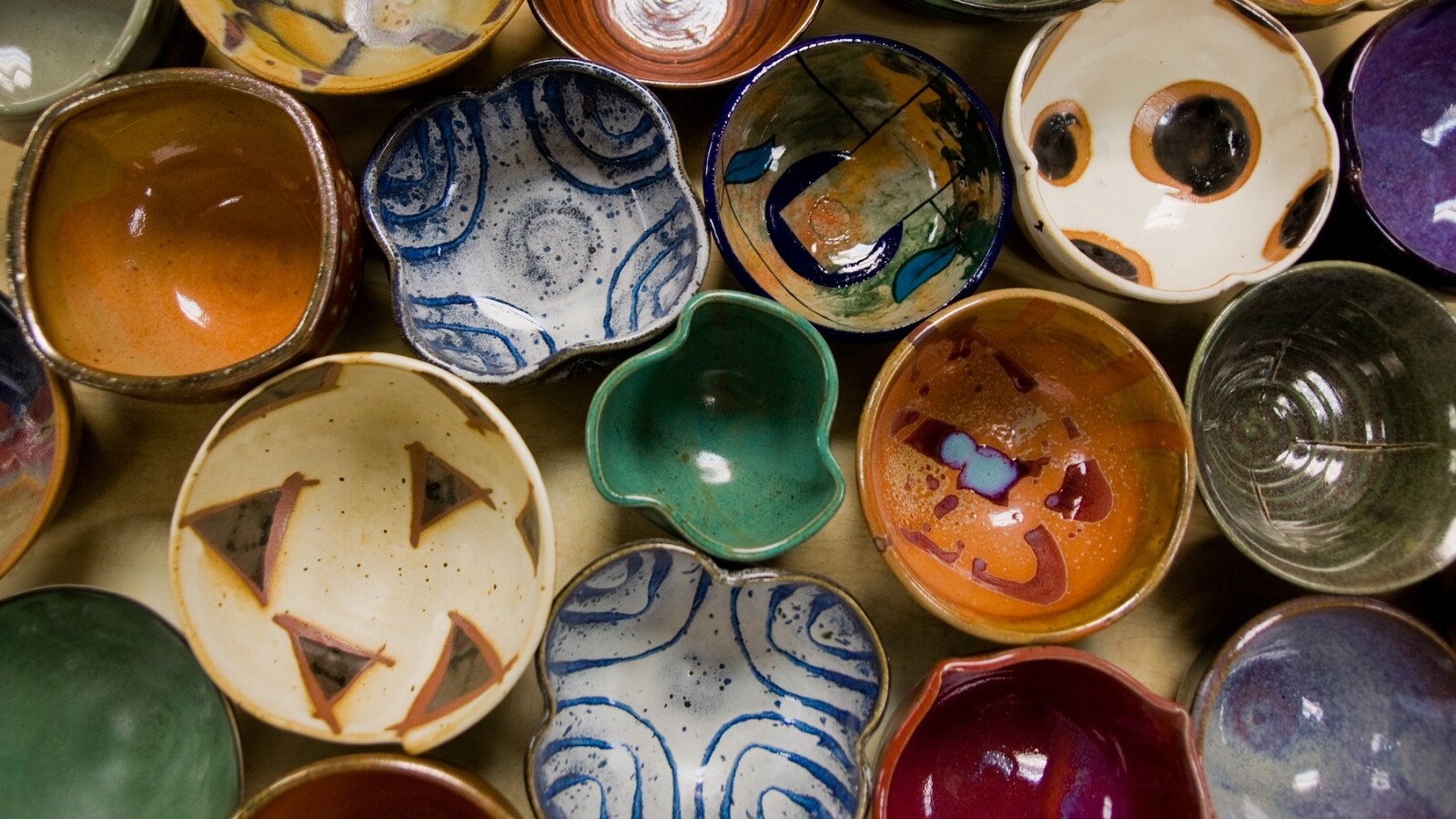
Ceramics manufacturing: Used in porcelain, earthenware, stoneware, and sanitaryware (toilets, sinks).

Tiles & sanitary products: Ideal for floor and wall tiles, ceramic body engobes, and slip casting of sanitary fixtures.
.jpg)
Moulding & casting: Used in foundry moulds and ceramic slip casting to boost cohesive strength and suspension of particles.
 (1).jpg)
Refractories: Added to refractory mixes for improved plasticity and dry strength, helping shapes retain form under high heat.

Ceramic coatings & glazes: Acts as an extender, stabilizing liquid suspensions and controlling glaze shrinkage during drying.
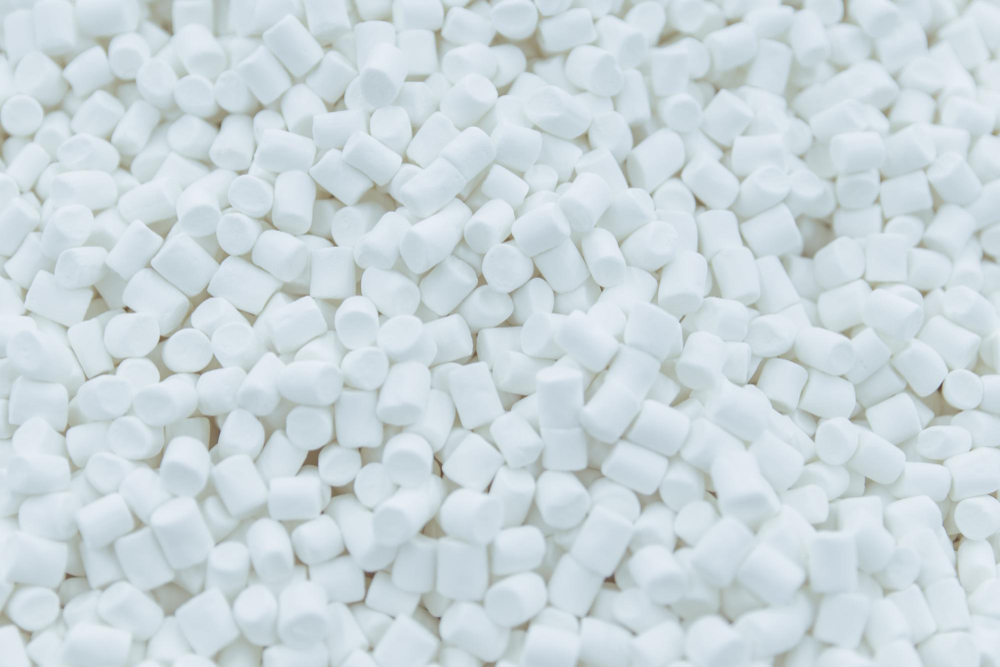
Fillers & extenders: Applied in specialized fillers where plasticity and fine texture are required.
With decades of experience supplying premium clays to the ceramics industry, we deliver consistent quality and optimal performance in every batch of ball clay. Our products meet strict purity and particle size distribution standards, minimizing impurities like iron and carbon that can affect fired color. Our technical team tailors clay formulations to your specific needs and ensures timely global supply for just-in-time delivery. Choose us for high-quality ball clay and dedicated support that elevate your ceramic process and final product quality.
Q: What is ball clay used for?
A: Ball clay is used in ceramic whiteware and sanitaryware to improve plasticity and strength in clay bodies, allowing casting slips and porcelain to hold fine detail and resist cracking.
Q: How does ball clay differ from kaolin?
A: Ball clay contains kaolinite plus other minerals such as illite and montmorillonite, giving it much higher plasticity and greater workability and shrinkage compared to pure kaolin.
Q: Can ball clay be used in refractory mixes?
A: Yes. Its plasticity helps bind refractory aggregates and imparts green strength, making it ideal for ramming and forming refractories.
Q: What form factors are available for ball clay?
A: We supply ball clay as dry powders, semi-moist noodles/extrusions, and wet filter cake, offering flexibility for various ceramic processing methods.
Q: How should I store ball clay?
A: Store in a cool, dry place. For filter cake forms, keep covered to prevent drying—proper storage preserves plasticity and prevents carbonation.
Applications
Let's get in touch and explore business opportunities
Connect With Us