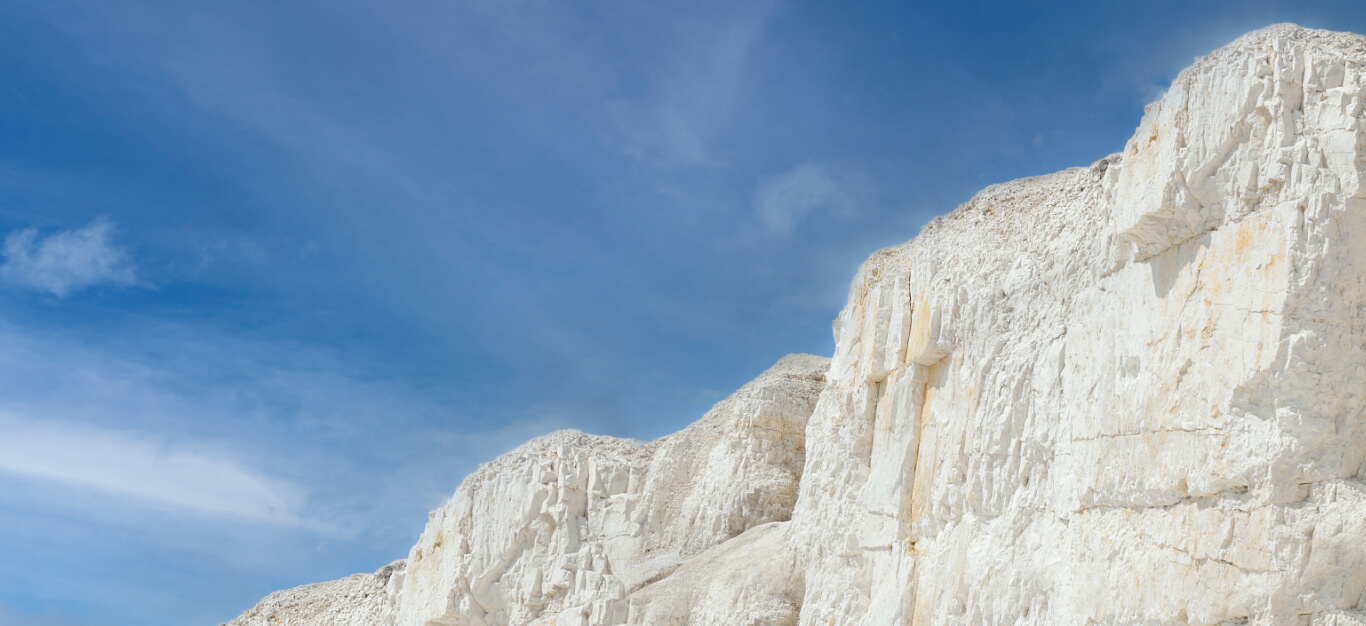
Dolomite is a naturally occurring calcium–magnesium carbonate mineral with the chemical formula CaMg(CO₃)₂. Unlike calcium carbonate, which contains only calcium carbonate phases, dolomite incorporates magnesium ions within its crystal lattice, resulting in a denser, more ordered structure.
This compositional difference gives dolomite higher hardness, improved abrasion resistance, and better long-term durability when used as a functional mineral extender. Dolomite typically appears white to light grey and, when processed from selected deposits, exhibits high natural brightness with low iron contamination, making it suitable for colour-sensitive formulations.
The presence of magnesium in dolomite increases crystal stability and hardness, with a Mohs hardness of approximately 3.5–4, compared to ~3 for calcite-based calcium carbonate. This makes dolomite particularly effective in applications where mechanical strength, scrub resistance, and wear resistance are important.
Dolomite also demonstrates lower oil absorption than many other mineral fillers, allowing better pigment wetting and improved binder efficiency in coatings and polymer systems. Its particle morphology supports uniform dispersion, helping to maintain consistent film structure and surface appearance.
Chemically, dolomite is largely inert under normal formulation conditions, ensuring compatibility with a wide range of resins, polymers, and cementitious systems.
In paint and coating applications, dolomite functions as a durable extender pigment, contributing to improved film strength, abrasion resistance, and weatherability. Its balanced carbonate chemistry helps maintain pH stability while supporting matte to semi-matte surface finishes without excessive binder demand.
In plastics and PVC compounds, dolomite enhances rigidity, dimensional stability, and thermal resistance, particularly where mechanical durability is required. In rubber and elastomer systems, it provides reinforcement while maintaining processing ease.
Dolomite is also widely used in construction materials and refractories, where its calcium–magnesium composition contributes to high-temperature stability and resistance to thermal cycling.
Dolomite is supplied in multiple forms, including natural lumps for custom grinding, micronized grades for paints and plastics, high-purity low-iron grades for brightness-critical applications, and calcined dolomite grades for refractory and high-temperature uses.
.jpg)
Architectural & Industrial Coatings: Eco-friendly filler in primers and topcoats; provides matte finish and weather resistance.
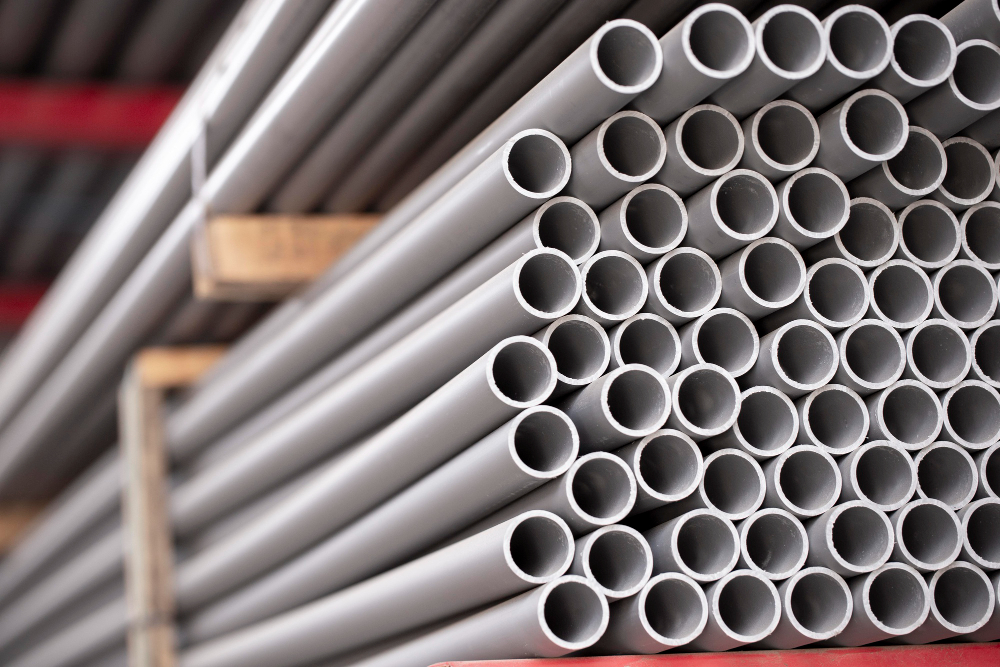
Plastics & PVC: Filler to imp rove rigidity and dimensional stability in plastics (e.g. PVC piping).

Rubber & Tires: Used in sealants and rubber compounds for reinforcement.
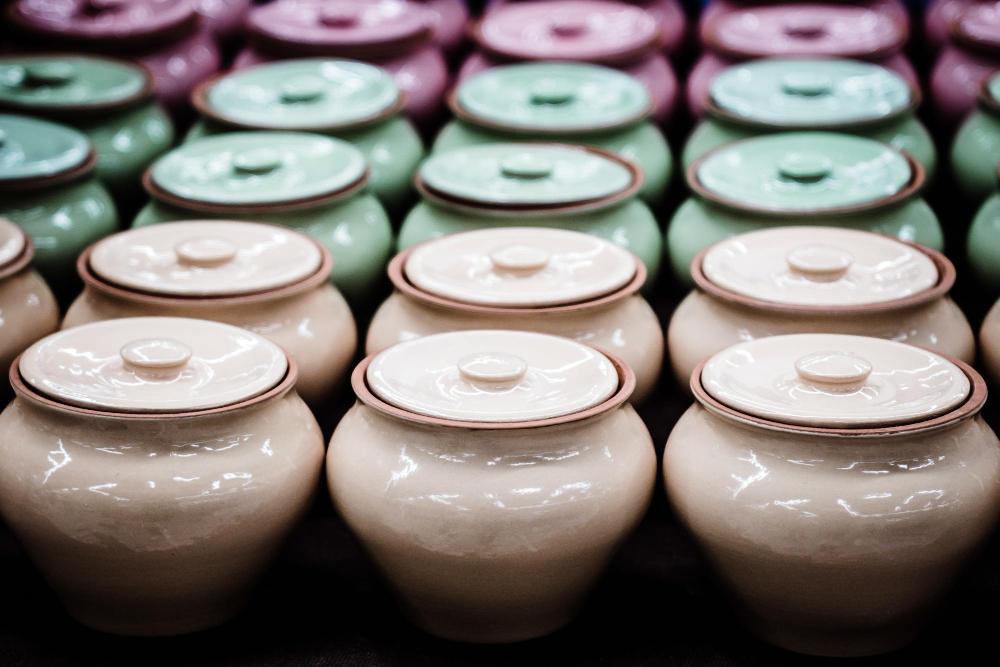
Refractories & Ceramics: Dolomite bricks and powders in kiln linings and ceramic glazes for heat resistance.

Agricultural Lime: As a soil conditioner supplying magnesium and calcium.
.jpg)
Construction: Asphalt and cement formulations to reduce cost and improve mechanical properties.
Our dolomite is sourced from carefully selected deposits and processed under controlled conditions to ensure consistent chemical composition, controlled particle size distribution, and high whiteness. Strict monitoring of iron and impurity levels ensures colour stability in coatings and polymers.
With in-house processing capability and technical support, we help customers select the most suitable dolomite grade to optimise formulation performance, durability, and cost efficiency.
Q: How is dolomite different from calcium carbonate?
A: Dolomite contains both calcium and magnesium carbonates, giving it higher hardness, better abrasion resistance, and improved durability compared to calcium carbonate.
Q: Is dolomite suitable for paint formulations?
A: Yes. Dolomite is widely used as a functional extender in paints to improve film strength, scrub resistance, and weatherability.
Q: Does dolomite affect colour or gloss?
A: High-purity dolomite with low iron content maintains colour neutrality and supports controlled matte finishes.
Q: Is dolomite chemically reactive?
A: Dolomite is chemically stable and compatible with most resins and binders under normal formulation conditions.
Let's get in touch and explore business opportunities
Connect With Us